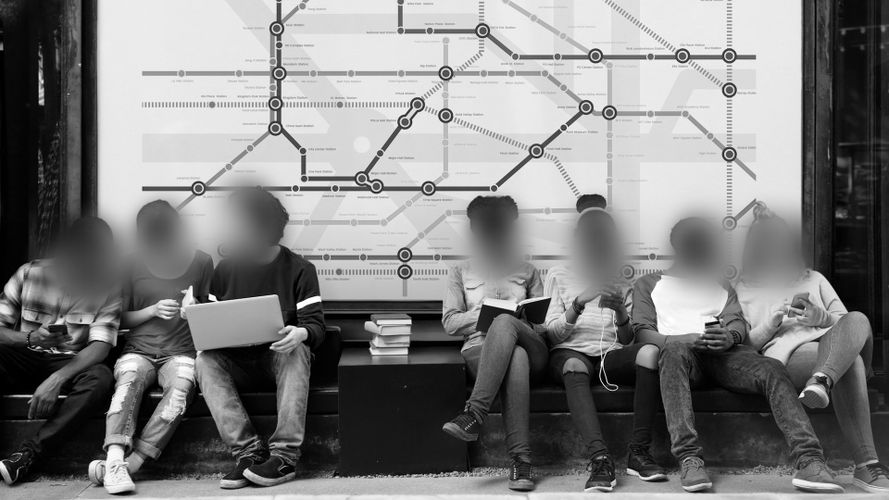
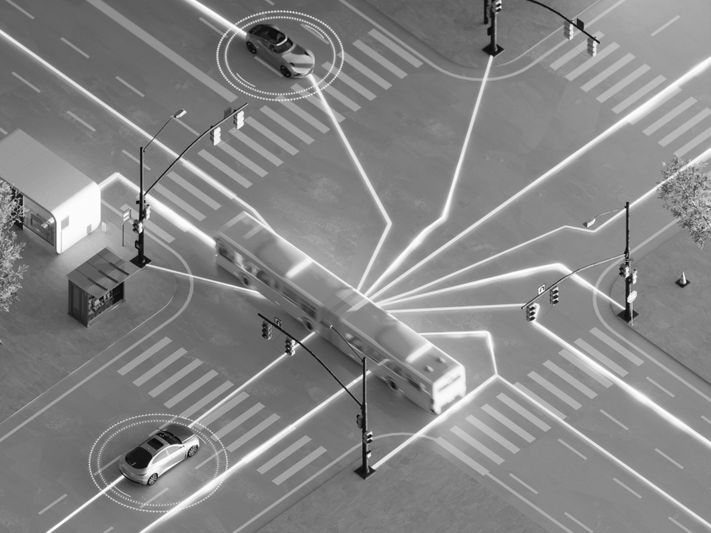
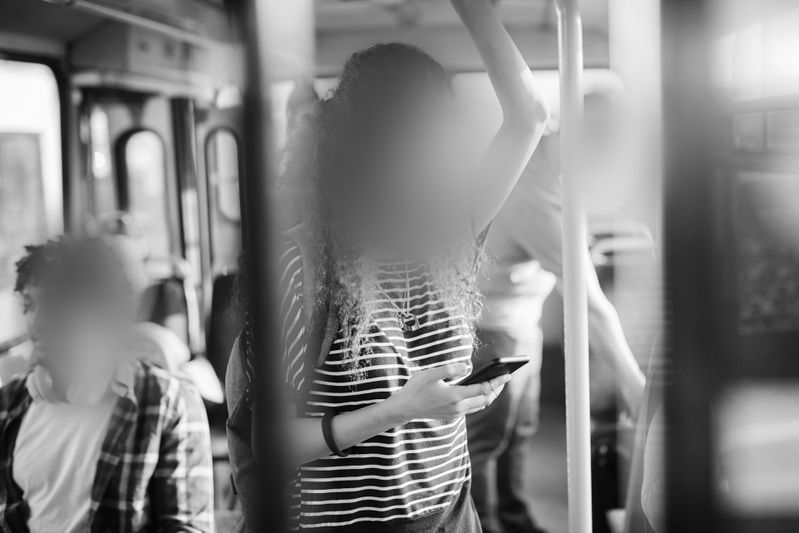
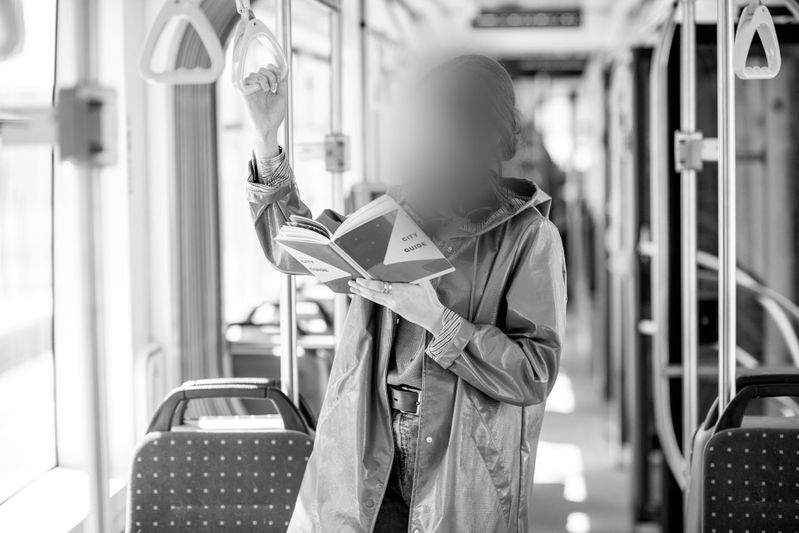
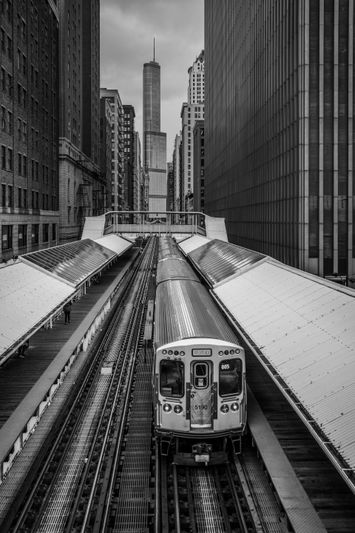
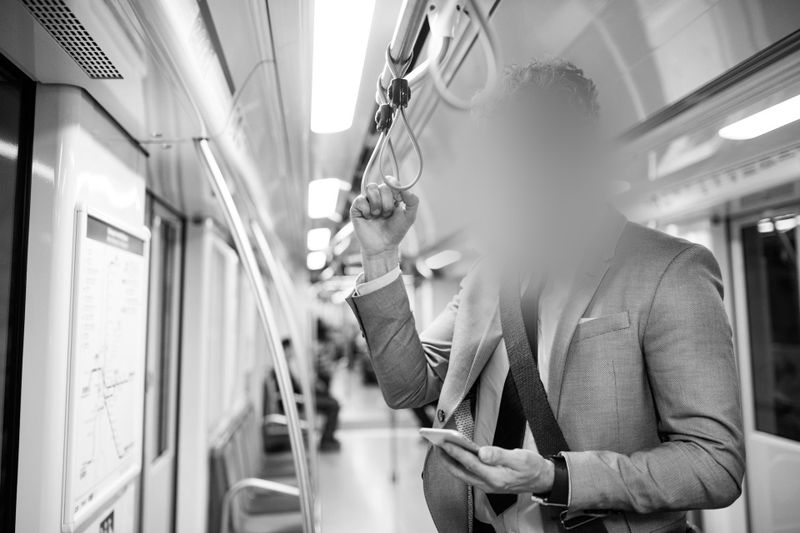
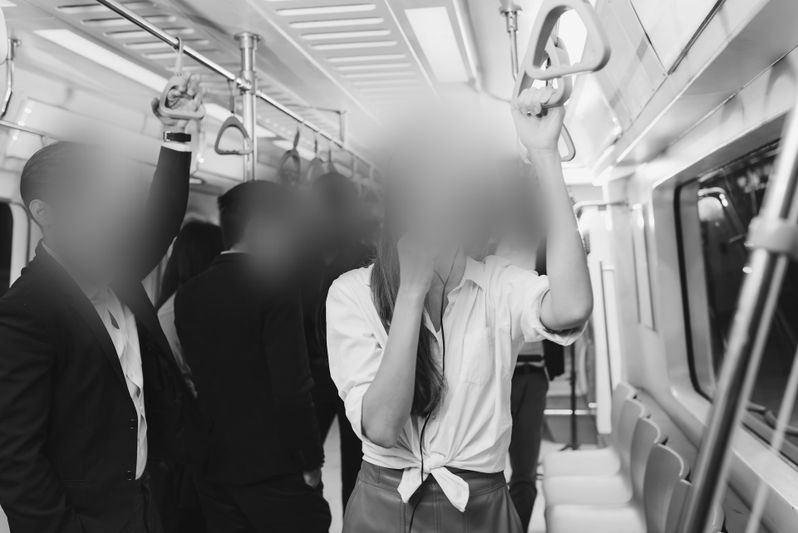
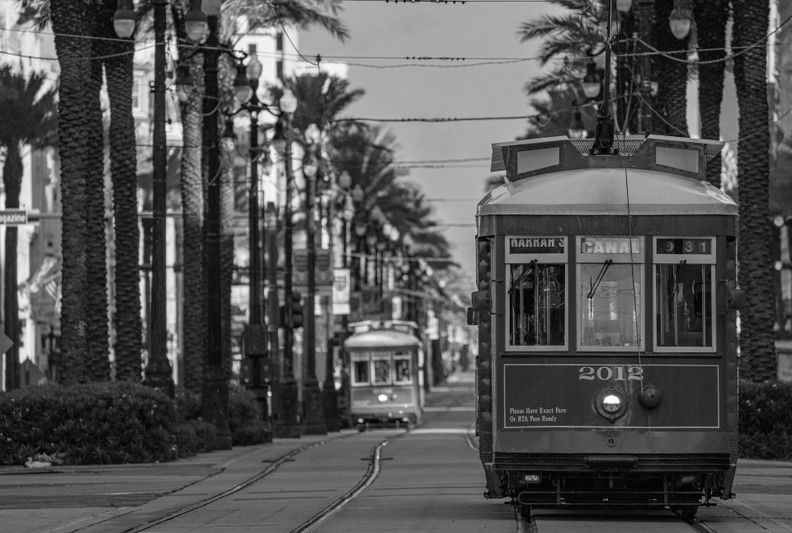
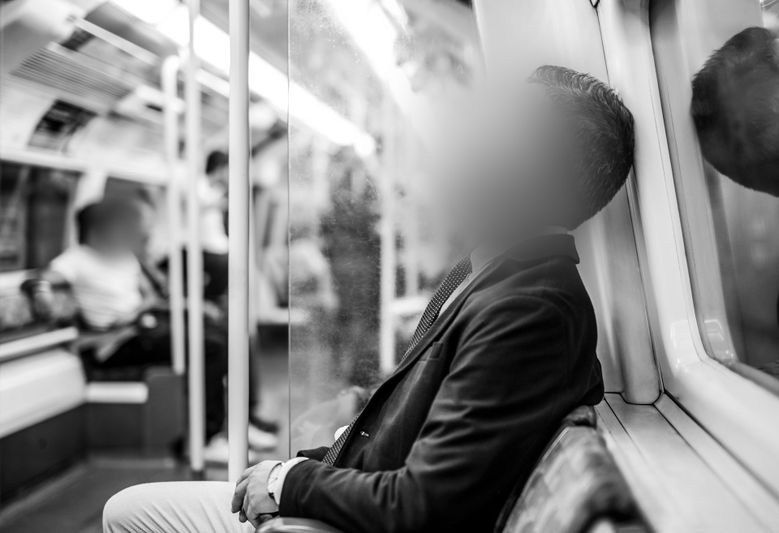
Transit CCTV redaction is the visual data anonymization of recorded images and videos to remove direct identifiers before release or publication. In practice this means face blurring and license plate blurring applied to footage captured by buses, trains, stations and depots, so that individuals and vehicle owners are not readily identifiable when content is shared.
Public transit agencies and their vendors frequently respond to public records requests and media inquiries. When releasing footage, a common compliance approach is to remove personal identifiers to balance transparency with privacy. The federal Freedom of Information Act recognizes privacy risks and permits withholding or redacting personal information where disclosure would constitute a clearly unwarranted invasion of personal privacy (Exemption 6) or where disclosure of certain law enforcement records or information could reasonably be expected to constitute an unwarranted invasion of personal privacy (Exemption 7(C)) [1][2][3]. In practice, however, most transit-agency disclosure obligations arise under state public records laws (and sometimes specific transit or surveillance statutes), not FOIA, which applies to federal agencies. Agencies routinely apply visual data anonymization to meet these expectations, reduce safety risks to riders and staff, and minimize downstream misuse of images.
What visual data anonymization means in practice?
For transit CCTV, two categories dominate: face blurring and license plate blurring. These are the most visible identifiers in crowded platforms and road-facing bus cameras. Redaction should be consistently applied frame by frame to any individual who can be recognized, and to every readable plate that appears as a primary subject. Whole-body masking is not the norm for transit releases since it can remove important scene context. Tools typically target faces and plates specifically and leave the rest of the frame intact to preserve evidentiary or operational detail.
On-premise software and defined scope
On-premise software gives agencies stronger control of sensitive footage by avoiding uploads to third-party clouds. Gallio PRO fits this model. It performs automatic face blurring and license plate blurring. The software does not blur whole silhouettes. It does not detect logotypes, tattoos, name badges, documents or computer screens automatically. These elements can be blurred manually using the built-in editor, which is designed for straightforward use. The software does not perform real-time anonymization or video stream anonymization. It also does not collect logs that record face or plate detections, nor logs containing personal data or sensitive data. To see the product context, check out Gallio PRO .
A practical redaction workflow for transit CCTV
- Ingest the source media into on-premise software and confirm chain-of-custody metadata in the case file notes.
- Run automated detection limited to face blurring and license plate blurring. Use conservative confidence thresholds for difficult scenes with motion blur or low light.
- Review detections. Add manual masks for logos, tattoos, name badges, documents or screens where they could identify a person or reveal sensitive operational details. The built-in editor in Gallio PRO supports these manual masks.
- Audit for missed frames, especially during occlusions, quick head turns, bright reflections and transitions between cameras.
- Export redacted deliverables with embedded burn-in notes if required by policy. Maintain the original unaltered master under restricted access.
Agencies seeking to pilot an on-premise approach can start with a controlled dataset and a small set of policies and templates. To trial the workflow with example files, download a demo .
Video quality factors and accuracy
Redaction quality varies with context. Transit CCTV often involves harsh lighting, wide angles, compression artifacts and fast motion. Under these conditions, automated face and license plate detection can miss partial profiles, heavy occlusions or plates at steep angles. A common operational practice is to set conservative detection parameters and mandate a second-person quality check for higher-risk releases. Measured accuracy, processing speed and cost depend on footage characteristics and workstation hardware. Results are context-dependent, and there are limited standardized, publicly comparable benchmarks specific to transit CCTV redaction.
Choosing a workable operating model
Operating model | Turnaround speed | Consistency across large batches | Data control and risk |
|---|
Manual-only masking | Slow on long recordings | Operator-dependent | High control if on-premise, but higher risk of human fatigue |
Automated face and license plate blurring with QA | Faster for routine cases | High when policies and checklists are enforced | Strong control when using on-premise software |
Outsourced redaction service | Variable - depends on vendor SLAs | Potentially consistent if contractually enforced | Lower control - data leaves the agency environment |
Transit footage is often released with identifiers removed, yet practical exceptions may be considered in some editorial and communications contexts. The following examples are often discussed in media/communications practice, but they are not universal “U.S. legal exceptions” and may not apply to public-agency releases or public records responses:
- the person is a public official or public figure and identification is newsworthy
- the person appears as part of a broader scene in a public place or public event, and the individual is not the clear focus of the footage
- the person has provided permission (a release/consent); payment may be part of an agreement but is not, by itself, a general legal rule that authorizes use
Applicability is policy- and jurisdiction-dependent within the United States. Transit agencies, PR teams and newsrooms often consult internal counsel to align releases with applicable state public records laws, privacy considerations, and risk tolerances; FOIA is relevant mainly when a federal agency is the responding entity [1][2][3].
Governance, auditing and retention
Good governance helps maintain defensibility. Teams typically document the reason for release, the redaction scope, the review checklist and the export settings. Many agencies maintain a minimal audit trail that avoids sensitive operational or biometric details while demonstrating that due care was applied. Gallio PRO supports this approach by operating on-premise and not collecting logs that record face or plate detections, or any logs containing personal or sensitive data. For inquiries about deployment, contact us .
FAQ: Transit CCTV Redaction USA
Does Gallio PRO blur entire bodies or clothing?
No. Automatic redaction is limited to face blurring and license plate blurring. Whole-body masking is not performed automatically.
Can Gallio PRO detect and blur logos, tattoos, name badges, documents or screens?
Not automatically. These can be masked manually using the built-in editor.
Is real-time or video stream anonymization supported?
No. The software processes recorded images and videos, not live streams.
Why is on-premise software recommended for transit CCTV?
It keeps footage within the agency’s controlled environment. This reduces exposure by avoiding uploads to third-party services while enabling faster iteration on large archives.
How are partial faces and angled license plates handled?
Detection quality depends on angle, lighting and motion. A common compliance approach is to review automated results and add manual masks for difficult frames.
Will redaction interfere with investigative clarity?
Properly tuned face blurring and license plate blurring preserve scene context while removing direct identifiers. Operators can adjust blur strength to balance privacy with legibility for public release.
Where can teams evaluate performance on their own footage?
The best evidence comes from pilot runs on representative clips. Start with download a demo to test locally.