In event photography, you need to distinguish between two separate legal frameworks. The first is the photographer’s copyright in the photo as a creative work. The second is the image rights of the person visible in the photograph or video recording. The fact that a photographer or organizer owns the rights to the file, frame, or promotional asset does not automatically mean that the material can be published freely. In practice, publishing photos from a conference, corporate gala, trade show, or wedding usually requires a separate assessment of whether the use of a person’s likeness is permitted under copyright law, civil law, and the GDPR [1][2][3].
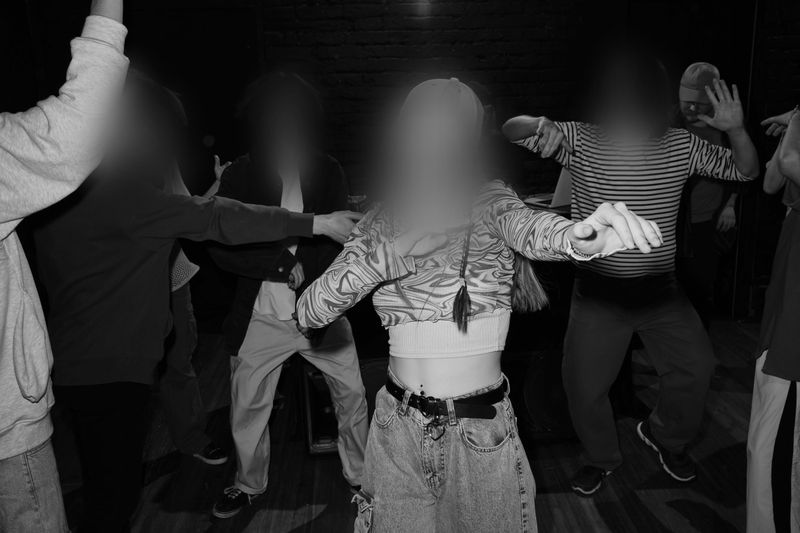
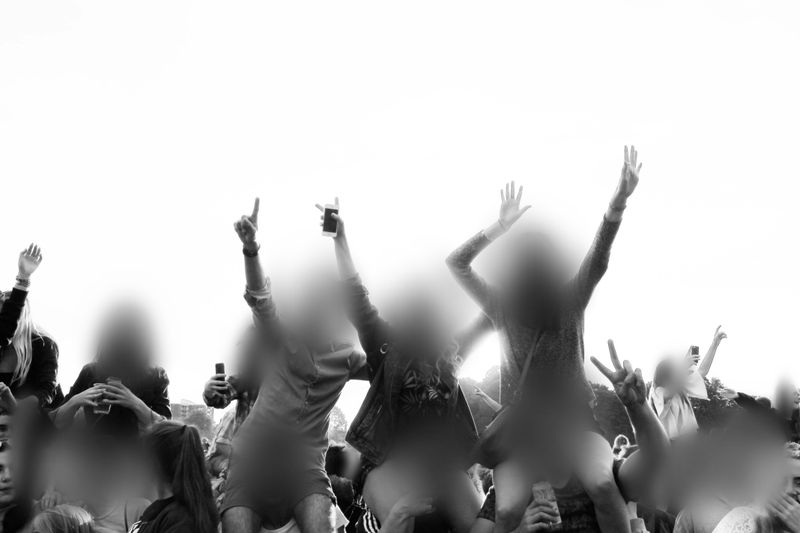
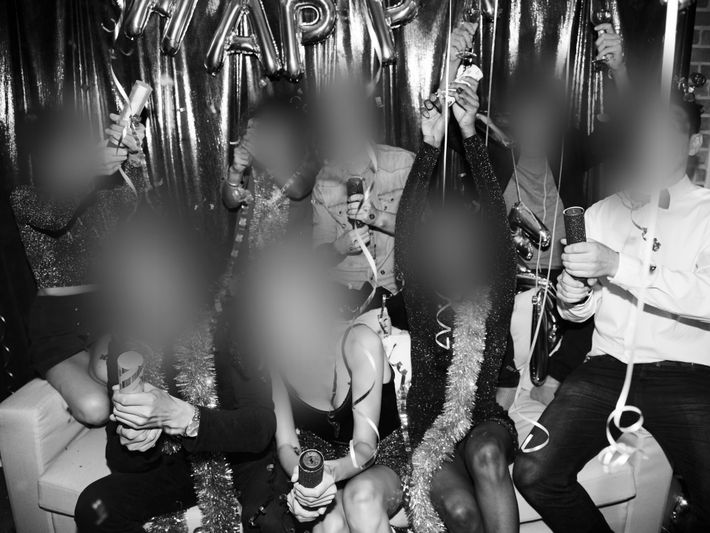
For marketing, PR, compliance teams, and event photographers, this means one thing: owning a photo and having the right to publish it are not the same. This is also where visual data anonymization becomes important, covering both photos and video. Typical techniques include face blurring and license plate blurring, used before publication when there is uncertainty about the legal basis or the scope of consent.
The photographer’s copyright does not override a participant’s image rights
A photographer taking pictures at an event will generally acquire copyright in the photographs as creative works, provided the images meet the required threshold of originality. If the photographer is working on commission, the permitted uses of the photos will also depend on the contract with the organizer or agency. However, even a fully regulated transfer or license of rights to the photo does not eliminate the legal risk connected with the likeness of the person shown in it.
Under Polish law, a person’s image is protected in parallel under several regimes. Relevant here are Article 81 of the Copyright and Related Rights Act, personal rights protected by the Civil Code, and the personal data processing rules under the GDPR [2][3][4]. A photo of a conference attendee, banquet guest, or wedding participant will usually qualify as personal data if the person is identifiable without disproportionate effort. The same applies to video footage [1].
The most common business mistake is assuming that because an event was official or took place in a public venue, any photograph can be published on social media, in press materials, or on a website. That conclusion is often wrong. Simply attending an event does not remove protection for a person’s likeness.
When event photos can be published without consent: three exceptions
In event practice, the key rule is Article 81 of the Polish Copyright and Related Rights Act. It identifies the situations in which a person’s image may be published without separate consent. In the context of event photography, three exceptions are analyzed most often.
1. A well-known public figure
Publication without consent may be allowed where the person is widely known. However, this does not mean just anyone recognizable within a given industry. Under Article 81(2)(1), what matters is whether the image was captured in connection with that person performing a public function, particularly political, social, or professional functions. A photo of a speaker on stage during an industry conference will usually be easier to justify than a close-up of the same person sitting at a table in a private area of the event. The scope of this exception therefore depends on the context.
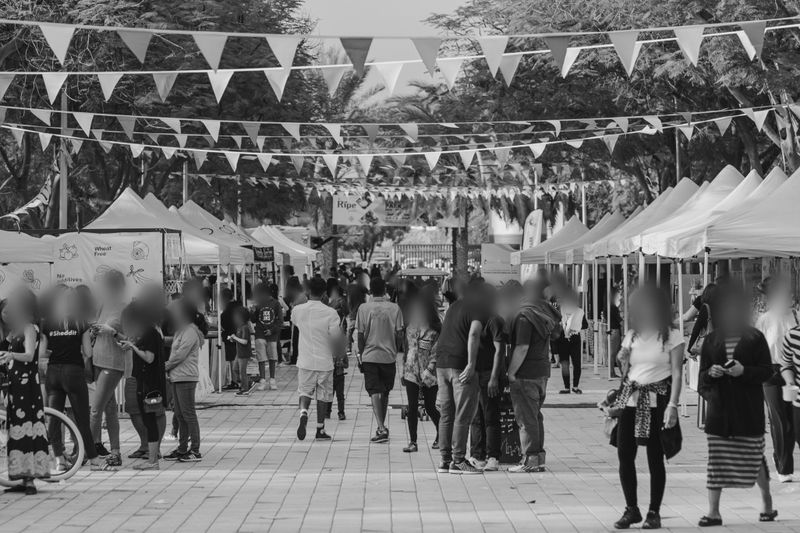
2. The person’s image is only a detail of a larger whole, especially a gathering, landscape, or public event
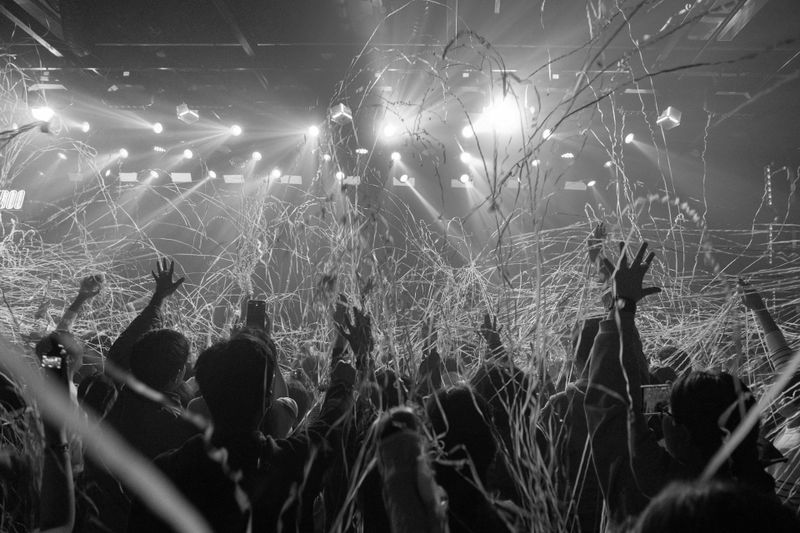
Publication without consent may also be allowed where the person’s likeness is merely a detail within a larger whole, such as a concert, sporting event, assembly, gala, or trade fair. This is a particularly important exception for event photographers and PR agencies. However, it does not cover every photo taken in the venue. The more a specific person becomes the main subject of the frame, the harder it is to argue that they are only part of a wider scene. A wide shot of a conference hall with the audience is one thing; a portrait of a specific attendee sitting in the front row is another.
3. The person received agreed payment for posing
The third exception applies where the person received agreed compensation for posing. In event practice, this may apply to models, hostesses, brand ambassadors, presenters, or performers working under contract, but only where the payment is actually connected with posing and the person has not expressly reserved otherwise. Here too, the safest approach is to define the permitted use of photos and video precisely in the agreement. Simply paying someone a fee for attending or participating in an event does not automatically resolve every interpretive dispute if the contractual wording is too general.
GDPR and publishing photos from conferences, galas, and trade fairs
Under the GDPR, photos and recordings showing identifiable individuals may constitute personal data [1]. That is why organizations usually analyze not only consent under Article 81 of copyright law, but also the legal basis for processing under Article 6 of the GDPR. In some cases, the basis will be consent; in others, it may be the controller’s legitimate interests, such as documenting the event and promoting it. That assessment, however, depends on the context, the scale of publication, attendees’ reasonable expectations, and the proportionality of how the material is used [1][5].
A good compliance practice is not to rely on the entire process being covered by a single statement in the event terms and conditions. A better approach is layered notice: a privacy notice, signage throughout the event space, a distinction between photography zones, and a procedure for handling objections or requests not to be included in publications. For heavily promotional materials, especially portraits and close-up shots, organizations often choose additional consent or face anonymization.
Table: who holds which rights in an event photo
Issue | What it covers | Typical practical question | Why it matters for publication |
|---|
Photographer’s copyright | The photo as a creative work | Who may use the photograph, and in which fields of use? | On its own, it is not enough to lawfully publish a person’s likeness |
Image rights | The ability to disseminate a person’s likeness | Is the participant’s consent required? | Crucial for portraits, close-ups, and promotional materials |
GDPR | Processing personal data in photos and video | What is the legal basis for processing, and how was the information obligation fulfilled? | Affects the entire process, from collection to publication and retention |
Contract with the photographer or agency | The scope of the license or rights transfer | Can the organizer publish the materials on a website, social media, and in PR activities? | Organizes the business relationship, but does not remove obligations toward the people shown in the photo |
When anonymizing photos and video makes more sense than arguing over the legal basis for publication
In event photography, not every situation can be assessed in black-and-white terms. The issue becomes especially sensitive where the material has strong promotional value but shows bystanders, children, participants who are not the main subject of the coverage, or people who happened to end up in the frame by chance. In such cases, organizations often choose visual data anonymization before publication.
This means technical measures that reduce the risk of identification. Most often, that involves face blurring and, for images taken in parking areas, access roads, or outdoor settings, license plate blurring as well. For teams that need local control over their files, the deployment model also matters. Gallio PRO is on-premise software for anonymizing photos and video, used where promotional and documentary materials should not leave the organization’s environment.
At the same time, the limits of the technology need to be stated clearly. Gallio PRO automatically blurs only faces and license plates. The tool does not independently decide whose face should be blurred. That decision belongs to the operator, who assesses the legal basis for publication and chooses the scope of anonymization. The software does not automatically detect company logos, tattoos, name badges, documents, or content displayed on monitor screens. Those elements can still be concealed manually using the built-in editor, which remains straightforward to use.
This distinction matters from both an evidentiary and organizational perspective. Automatic face detection does not replace legal analysis. It is a supporting tool in the publication workflow for event materials.
License plates in event photos: why the issue comes up again at galas and trade fairs
Although the main focus of this article is people’s likenesses, event photographers regularly capture parking areas, VIP zones, venue entrances, and automotive displays. In such scenes, license plates become the issue. In some Western European countries, blurring them is treated as a good compliance practice, influenced by national rules, regulatory practice, and a precautionary approach. In Poland, the situation is less clear-cut. On one hand, the broad understanding of personal data under EU law and data protection practice points toward caution. On the other hand, Polish case law and practice also include the view that license plates do not always constitute personal data in themselves. From a business perspective, many organizations therefore choose a cautious approach, especially for openly accessible online publication.
If your team wants to validate that workflow on real files, you can try the demo and test how face and license plate blurring works before publication.
How event photographers and PR agencies can structure the publication process
The safest working model usually consists of several stages. First, before the event, the organizer defines the publication goals and the roles of each party: the photographer, the agency, the data controller, and the publisher of the materials. Second, the organizer prepares clear information for attendees about photography and recording. Third, they distinguish between wide shots and portraits or close-ups. Fourth, they implement a simple review procedure for selecting material for publication. Fifth, where the legal basis is doubtful, they anonymize faces or refrain from publishing the material.
It is also worth remembering that the software used in this process should support confidentiality. Gallio PRO does not store logs containing face or license plate detection data. It also does not collect logs containing personal data or special category data. For organizations operating in an enterprise model or requiring local deployment, this matters from the perspective of operational security and data minimization. In more complex scenarios, such as a rollout in a large organization or a specific on-premise environment, it is worth to reach out to the team and discuss the technical and compliance requirements.
Most common mistakes when publishing event photos
The most common mistake is confusing consent to attend an event with consent to publish a person’s likeness. The second is treating copyright in the photo as equivalent to the right to disseminate the images of the people shown in it. The third is overusing the exception for a wider scene, even though the photo actually focuses on a single person. The fourth is failing to distinguish between documenting an event and using a photo in an aggressively promotional way. The fifth is having no anonymization procedure when the publication risk is obvious but campaign deadlines do not allow time to collect additional consents.
From a business perspective, the sensible approach is not to look for one universal legal phrase, but to combine the legal basis for processing, an assessment of image rights, proper communication with attendees, and technical tools that reduce risk. In event photography, that combination is what determines whether publication is safe.
FAQ - copyright and image rights in event photography
Can a photographer publish conference photos simply because they created them?
Not always. Copyright in a photo does not override the image rights of the person shown in it. You need to assess the rights in the work separately and the lawfulness of publishing the person’s likeness separately [2][3].
Can a participant in a public event always appear in a published photo without consent?
No. The wider-scene exception mainly applies where the person is only a detail within the event as a whole. If they become the main subject of the frame, the legal risk increases and a separate basis for publication is often needed.
Is a speaker or celebrity on stage always a public figure?
Not in every case. What matters is whether the person is widely known and whether the image was captured in connection with their public, social, or professional role. Being recognizable on its own does not automatically create a right to publish the image in any way you choose.
Is a consent clause in the event terms enough for all marketing publications?
Often not. Organizations usually assess whether the information was clear, whether the scope of use was foreseeable, and whether the chosen legal basis really fits the specific type of publication. The risk is higher for portraits and close-ups.
Does face anonymization solve the publication problem for event photos?
In many cases, it significantly reduces the risk of identification, but it does not replace an assessment of the publication purpose and the material selection process. It is a compliance support tool, not an automatic legal decision.
Does Gallio PRO blur entire bodies or work live during a broadcast?
No. The software automatically blurs only faces and license plates. It does not anonymize whole bodies, it does not work in real time, and it is not designed for anonymizing live video streams.
Does Gallio PRO automatically detect logos, tattoos, badges, and monitor screens?
No. Automatic detection covers only faces and license plates. Other elements, such as company logos, tattoos, name badges, documents, or content on monitor screens, can be hidden manually in the editor.