TL;DR: On US construction sites, footage redaction usually comes up after an incident - when access to material is requested by OSHA inspectors, a workers' compensation insurer, opposing counsel, or the injured worker themselves. Before material leaves the company, bystanders, license plates, and background elements unrelated to the case need to be blurred. Gallio PRO automatically blurs faces and license plates, while logos, badges, or tattoos get redacted manually in the built-in editor - locally, with no detection logs. Download the free demo to test the process on your own footage.
Visual data anonymization is the practice of preparing photos and video for release or publication in a way that limits the identification of people and vehicles visible in the material. On US construction sites, this topic doesn't usually come up around marketing - it comes up after an incident, when camera footage exists and access is requested by inspectors, an insurer, opposing counsel, or the injured worker. What matters at that point isn't only whether the footage exists, but exactly what should be blurred before it's handed over.
In the US context, this isn't about GDPR or publishing event photos. It's a different legal and operational order: workplace safety documentation requirements, potential OSHA interest, the role of footage in workers' compensation, and the risk of over-disclosing visual data about bystanders. Good organizational practice therefore separates two goals: preserving source material for evidentiary purposes, and preparing a working copy for disclosure using face blurring and license plate blurring.
Download the free demo →
What OSHA May Want to See After a Construction Site Accident
OSHA doesn't have a general regulation requiring every company to continuously film a job site. But if footage exists and relates to an event, it can become a meaningful part of the factual record during an inspection or investigation [1][2][3]. In practice, organizations often treat incident-related video as material that may be preserved as evidence of the event, similar to accident-scene photos, notes, and other operational records. Significance depends on the facts of the case and the scope of a lawful agency request.
For a project manager or safety officer, three actions matter most. First, preserve the original file unchanged. Second, determine whether the disclosure is headed to OSHA, a workers' comp insurer, opposing counsel, or another authorized party. Third, prepare the version being shared so it doesn't disclose more than necessary. This practice typically helps limit disputes over evidence integrity, while also reducing privacy exposure for people not connected to the event itself.
Workers' Compensation and Video's Role as Evidence
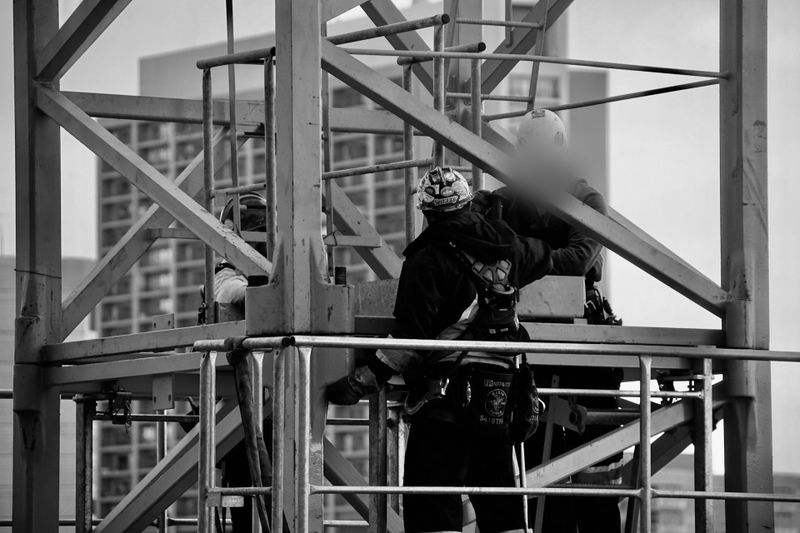
In workers' compensation matters, footage can help reconstruct how the accident happened, response time, witness presence, on-site conditions, and use of protective equipment. There's no single federal rule always dictating in what form and to whom material must be handed over, since procedures depend on the state, the type of claim, the stage of proceedings, and any procedural request [5]. Even so, a common compliance approach is preparing two sets of material: an unchanged original, and a copy intended for disclosure after a privacy review.
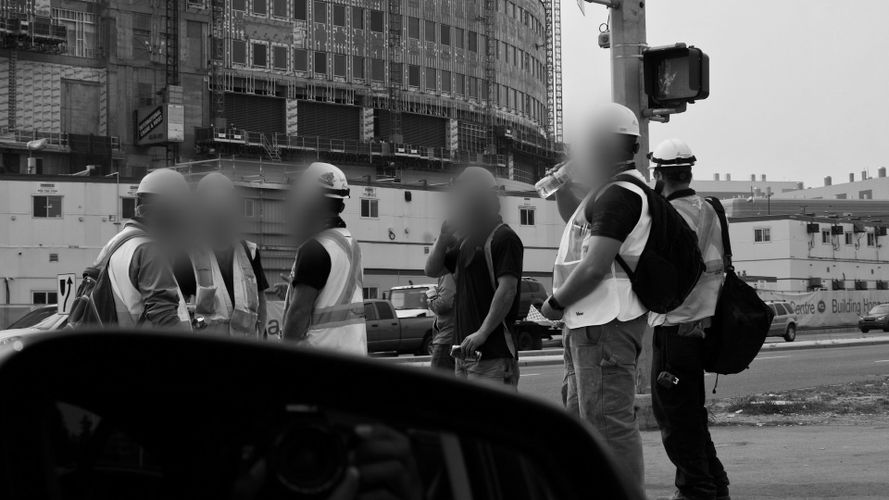
This is exactly the stage where visual data anonymization matters most. Footage of a single injury can incidentally show other workers' faces, private vehicle plates, subcontractors and visitors, and background elements unrelated to the claim itself. The wider the frame and the longer the material, the greater the risk of disclosing excess data.
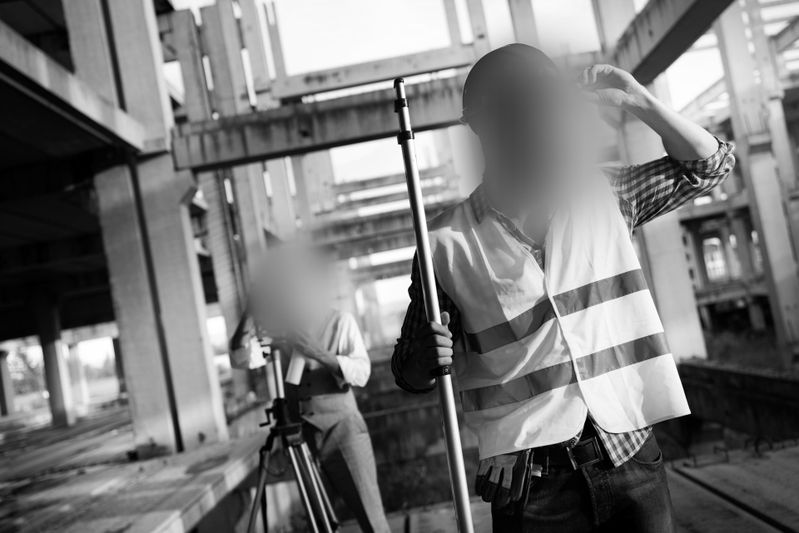
The safest starting point is a visual minimization rule: share only what's needed for the purpose, and limit everything else through face blurring, license plate blurring, trimming the shot, or cutting a segment. In a construction environment, the most commonly blurred elements are the faces of people who aren't key to the case, and the license plates of vehicles visible in a parking lot, access road, or delivery zone.
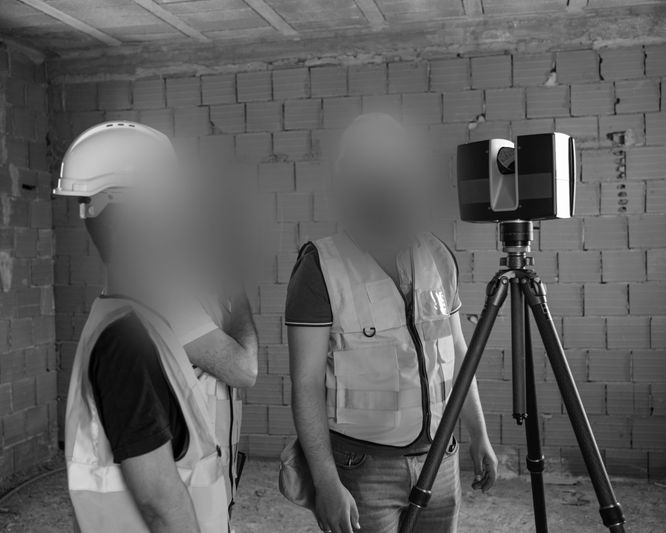
Not every visible marker can be anonymized automatically, though. Gallio PRO is on-premise software for anonymizing photos and video that automatically detects and blurs only faces and license plates. It doesn't automatically detect company logos, tattoos, name badges, documents, or screen content. Those elements can be blurred manually in a simple editor. That distinction has real practical weight, because on a job site, identification very often happens through a company-branded vest, an ID badge, or a distinctive tattoo - not just a face. Per the product's guidelines, Gallio PRO doesn't blur full silhouettes, doesn't perform real-time anonymization, and doesn't keep logs containing face or license plate detection data or other personal data.
- Secure the source. Preserve the original file without edits, with access controls and a note on the time, camera, and person responsible for archiving.
- Assess the purpose of disclosure. Determine whether the recipient needs the full material or only a clip covering the incident itself.
- Prepare a working copy in Gallio PRO. Apply face blurring and license plate blurring, then manually mask other visual identifiers visible in the background.
- Run a quality check and export. Before handover, check frame by frame that no elements remain that could identify people unrelated to the case.
This process can be deployed locally as on-premise software, which matters where job site material contains information subject to contractual restrictions or an owner's security policy. Teams that want to test this working model on real material can do so by downloading the demo version and testing the workflow on an internal copy.
See how Gallio PRO anonymizes video footage.
Element visible in footage | Disclosure risk | Typical approach |
Worker's or witness's face | Identifying someone not directly connected to the claim | Face blurring, unless the person is central to the evidentiary purpose |
Vehicle license plate | Easy link to owner or fleet | License plate blurring |
Subcontractor logo on clothing or equipment | Unnecessary disclosure of entity or personnel identity | Context-dependent assessment, usually manual blurring if not needed |
Name plate, badge, or document in frame | Direct identification of a person | Manual redaction in the editor |
Tattoo or distinctive feature | Identification despite a blurred face | Manual redaction if genuinely recognizable |
Monitor screen or data panel | Disclosure of operational information unrelated to the case | Cutting the shot, or manual blurring |
US Privacy Law: Why an Investigative Purpose Doesn't Eliminate the Need for Redaction
In the US, workplace image privacy isn't governed by a single, simple statute matching the European data-protection model. It's a more distributed area, built on state law, privacy torts, discovery rules, company policies, and sector-specific obligations. Because of that, the argument that "since the material is used to investigate an accident, the full recording can be handed over without limits" goes too far.
Sound business practice keeps the full material for evidentiary purposes, but creates a separate disclosed version scoped to the purpose and terms of the request. If the footage includes third parties, private vehicles, or background elements irrelevant to the case, redacting them typically strengthens the argument that the organization acted proportionately. In complex, multi-party matters - especially with larger local deployments and owner requirements - it's worth contacting the team about an on-premise model and material-review procedures.
The most common mistake is working exclusively on a single copy of the material. That's risky. If a dispute later arises over whether blurring hid a meaningful part of the event, the absence of an untouched original weakens the organization's position. It's worth keeping a simple activity log: who secured the file, when the working copy was created, what types of redaction were applied, and to whom the final export was handed over. That log shouldn't contain unnecessary personal data - just process metadata.
It's also worth remembering that effective redaction doesn't mean turning material into an unreadable image. The goal is showing what happened without unnecessarily identifying incidental people. If, after blurring, key actions, the path of movement, a worker's interaction with equipment, and site conditions remain visible, the material generally retains its operational and evidentiary value. That said, the assessment of any specific case remains context-dependent.
What Not to Assume When Publishing or Handing Over Construction Site Material
Don't assume automatic detection covers every identifying element. Per the product's guidelines, automation covers faces and license plates - not company logos, tattoos, name badges, documents, or screen content.
Also don't assume anonymization works in real time. Gallio PRO doesn't offer real-time anonymization or video-stream anonymization, so the process should be planned as redacting material that's already been recorded.
Finally, don't assume the topic ends with the injured worker's face. In workers' compensation disputes, people and vehicles in the background often matter more, since they're the source of unintended excess information.
FAQ: Construction Site Cameras in the US
Can OSHA request camera footage after a construction site accident?
It may be interested if the footage relates to the incident and is relevant to fact-finding. The scope of access depends on the case and the legal basis for the request. Good practice is preserving the original and preparing a copy for disclosure.
Does the entire recording need to go to workers' compensation without any blurring?
Not necessarily. A commonly used approach is handing over material limited to the purpose and scope of the case. If third parties or private vehicles appear in the background, organizations often consider redacting those elements.
What should be blurred first in construction site footage?
Most often, the faces of people not directly connected to the case, and license plates. After that, check badges, logos, tattoos, documents, and monitor screens.
Is face blurring enough to anonymize construction site material?
Not always. On a job site, identification can also come from company-branded clothing, a badge, distinctive features, or the context of the location. That's why manual review of the whole frame is needed.
Does Gallio PRO automatically detect logos and badges?
No. Automatic detection covers only faces and license plates. Company logos, tattoos, name badges, documents, and screen content require manual redaction.
Does Gallio PRO work as on-premise software?
Yes, it can be used as a local solution, which matters for material subject to security policies or contractual restrictions. It also doesn't store logs containing detection data or personal data.
Doesn't blurring material destroy its evidentiary value?
Not necessarily. A typical solution is preserving the original unchanged and preparing a separate copy for disclosure. That way the integrity of the source is protected, and the disclosed version is proportionate to the purpose.
Written by the Gallio PRO team - data-protection and video-engineering specialists building anonymization software used in construction, workplace safety, and insurance workflows. This article is general information, not legal advice.
Preparing construction site material for release after an incident? Test the process on your own files. Download the free Gallio PRO demo →