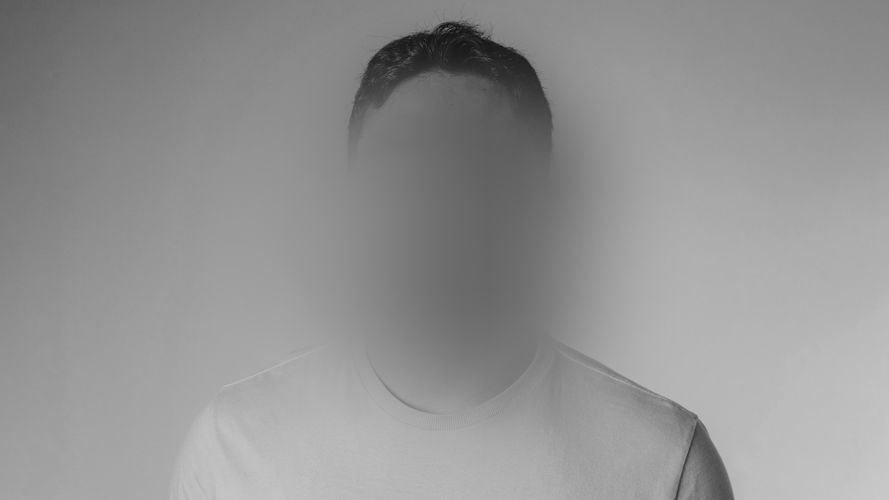
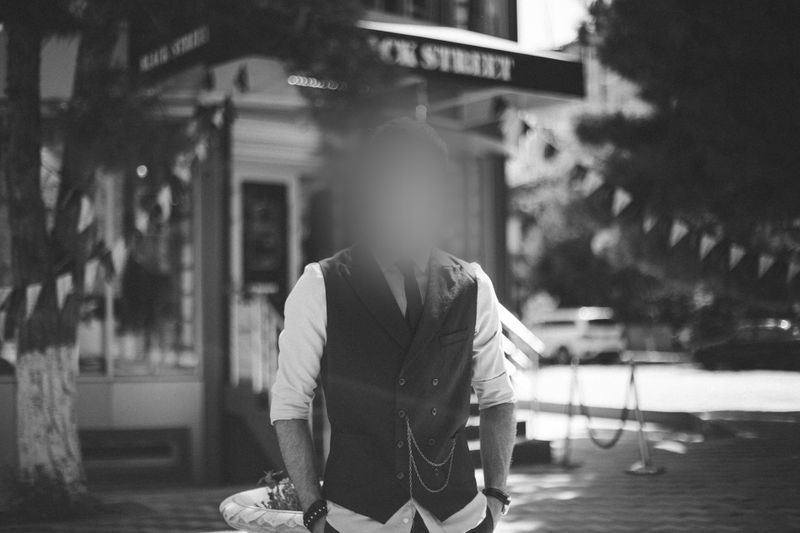
Publishing photos and videos where people (or vehicles) are reasonably recognizable can raise meaningful legal and reputational risk in the United States. In many publishing workflows, teams reduce that risk by applying face blurring and, where relevant, license plate blurring before release. The goal is risk reduction - not a promise of complete anonymity. Whether a person remains identifiable depends on context: background details, distinctive clothing, location cues, audio, captions, and how footage is distributed can all affect identifiability. In the U.S., where privacy torts and right of publicity claims can arise from published visuals, blurring can be a decisive operational safeguard that lowers exposure while preserving the informational or production value of footage.
Why U.S. privacy torts make identifiable video risky?
U.S. law recognizes four classic privacy torts: intrusion upon seclusion, public disclosure of private facts, false light, and appropriation of name or likeness [1]. While details vary by state, publishing video and photos can implicate each of these theories when individuals are identifiable.
Appropriation of name or likeness (often discussed alongside the right of publicity) is especially relevant to marketing uses. Using someone’s face to promote a product can create liability without consent, subject to defenses like newsworthiness and First Amendment protections for expressive works (which vary by jurisdiction and context) [2]. Public disclosure of private facts can be implicated when imagery reveals sensitive contexts - inside private homes, medical settings, or other highly personal situations - even unintentionally [3]. Intrusion upon seclusion often turns on how the recording was gathered rather than the publishing itself, though publication can affect damages and perceived harm [3]. False light covers misleading portrayals created by editing or juxtaposition that would be highly offensive to a reasonable person; however, not all states recognize false light [4].
Across these theories, identifiability is often a hinge. If a person cannot reasonably be recognized from the published visuals, the likelihood of a claim and the potential damages frequently drop. That is the practical value of face blurring (and, in some contexts, license plate blurring) for publishers, legal teams, and compliance reviewers.
Face blurring reduces identifiability - it is not biometric identification
Face blurring is a redaction technique, not a recognition technique. It does not identify, classify, verify, or authenticate individuals. It obscures facial features to reduce the chance that a viewer can recognize someone from published visuals. That distinction matters: face blurring ≠ biometric identification. It is not a system that determines who a person is - it is a method to make recognition less likely.
The same risk-reduction logic can apply to license plates. Blurring characters on a plate can reduce the chance that a vehicle can be linked to an individual through visible identifiers - especially when footage is broadly distributed. Still, blurring should not be treated as a guarantee of anonymity. Background details, unique clothing, location cues, companions, audio, or captions can still enable recognition. For that reason, many teams treat blurring as part of a defense-in-depth approach: apply automated blurs for the most common identifiers, then conduct a targeted manual review to address contextual cues and secondary identifiers.
Practical risk-reduction workflow for publishers
- Classify footage by sensitivity and purpose. Distinguish between marketing, public relations, public-sector transparency, internal training, and documentary/editorial uses. Risk tolerance and approvals should align with purpose.
- Assess whether identifiable people are central to the message. If recognition is essential, obtain releases where appropriate or consider alternatives such as staged footage, stock assets, or editorial framing informed by counsel and policy.
- Apply automated face blurring and license plate blurring to reduce default identifiability in the publishable cut.
- Manually redact residual identifiers when needed. Plan a review pass to cover identifiers that automation does not detect, such as tattoos, logos, name badges, documents, and text visible on screens. This step is often essential for high-risk footage.
- Quality-check at platform-relevant outputs. Review at multiple resolutions and thumbnails. Platforms often resize and recompress content, and weak blurs can become less effective after encoding changes.
- Maintain a minimal audit trail. Record that a blur pass and manual review occurred, who approved release, and what was masked - without storing biometric templates or other artifacts that could facilitate re-identification.
For teams that prefer local control and data locality, on-premise software is a common fit for publishing workflows - especially when unredacted masters must remain inside controlled environments. If you want an offline, review-first workflow, you can learn more about Gallio PRO here .
Gallio PRO is built for offline visual redaction of photos and video files used in publishing workflows. Its automated layer is intentionally scoped: it automatically blurs faces and license plates only. It does not blur entire bodies or silhouettes, and it does not automatically detect or blur company logos, tattoos, distinctive marks, name badges, printed documents, or content shown on screens. Those elements require manual redaction using the built-in editor. This hybrid (auto + manual) approach is the practical standard for reducing risk without overstating what automation can reliably cover.
For governance and evidence-handling requirements, the tool is designed to operate without storing logs containing face or license plate detections, and without storing logs containing personal or sensitive data. Where policy requires operating inside controlled environments, on-premise processing helps maintain custody of source files and redacted outputs. If you want to evaluate the workflow hands-on, you can download a demo .
U.S. publishing scenarios and how face blurring lowers risk
Different publishing contexts create different risk profiles. The examples below illustrate how blurring functions as a risk-reduction control - and what residual risks still need attention when footage remains identifiable through other cues.
- City B-roll used in a product advertisement featuring passersbyPrimary risk: appropriation/right of publicity and implied endorsement concerns [2].How blurring helps: reduces recognizability of bystanders who did not consent to promotional use.Residual risks: distinctive clothing, companions, or location details may still identify an individual.
- Retail CCTV clips reused for social media marketingPrimary risk: appropriation and, in some jurisdictions, false light where editing implies a misleading story [2][4].How blurring helps: reduces exposure from recognizable faces and incidental plates.Residual risks: captions, edits, and context can imply wrongdoing or endorsement even if faces are blurred.
- School event highlight reelPrimary risk: appropriation concerns and potential private-facts exposure if sensitive contexts appear [3].How blurring helps: lowers identifiability of minors and incidental bystanders.Residual risks: consent policies and releases remain key for featured students.
- Healthcare-adjacent hallway shot for a facility tourPrimary risk: disclosure of private facts if footage reveals sensitive circumstances [3].How blurring helps: reduces identifiability of patients and visitors.Residual risks: audio, signage, and on-screen text can reveal sensitive details even when faces are blurred.
- Public protest footage used in a corporate explainerPrimary risk: false light (where recognized) and contextual misrepresentation; appropriation depending on use [4].How blurring helps: reduces linkage between individuals and a corporate message.Residual risks: selective framing and captions can still suggest specific viewpoints.
- Workplace safety training using real incidentsPrimary risk: private-facts disclosure and intrusion concerns depending on how/where footage was captured [3].How blurring helps: reduces identification of staff and third parties.Residual risks: uniforms, schedules, and location cues may still enable recognition.
When identifiable faces may be used without blurring (U.S. context)?
There is no single nationwide rule that dictates when a face must be blurred. In practice, U.S. publishers often evaluate identifiable use against purpose, audience, and risk - especially for marketing. Situations where identifiable faces may be defensible can include (depending on the facts and jurisdiction):
- Documented permission (e.g., releases) for promotional use where required or prudent
- Editorial/newsworthy contexts where First Amendment and newsworthiness doctrines may provide protection, depending on state law and facts [4]
- Expressive works where identification is integral to the content and protected by constitutional considerations, subject to jurisdiction-specific tests
These are not universal “exceptions,” and they do not remove the need for careful editing and contextual accuracy. For operationalizing decisions at scale, organizations commonly use internal policies, pre-publication reviews, and counsel-informed guidelines rather than ad hoc judgments.
Operational governance that publishers commonly adopt
Many teams establish a documented review gate before external release. Common controls include: limiting who can export non-redacted masters; keeping unredacted source files in restricted storage; maintaining a minimal record that an automated face/plate blur pass occurred and that a manual review was completed; and piloting new workflows on smaller batches to validate quality at platform-native resolutions. When ready to standardize, you can request implementation guidance via contact us .
FAQ: Privacy Torts Video Risk: Why Blurring Faces Matters in the U.S.
Does U.S. law require face blurring for all published videos?
No. There is no single federal rule requiring face blurring for all published videos. Blurring is a risk-reduction practice: identifiability can increase exposure under state privacy torts and right of publicity laws, especially for marketing and promotional use when releases or defenses do not clearly apply.
Is face blurring the same as biometric identification?
No. Face blurring obscures facial features to reduce recognizability. Biometric identification is used to recognize, verify, or identify a person. Blurring is redaction; it is not identification.
Can AI reverse a blur?
It depends on the situation. Strong blurring applied consistently across frames and paired with appropriate export settings is harder to defeat, but other cues in the scene (location, clothing, companions, audio, captions) can still enable identification. Blurring lowers risk; it does not guarantee anonymity.
What about logos, tattoos, distinctive marks, and name badges?
Gallio PRO automatically blurs faces and license plates. It does not automatically detect or blur tattoos, logos, distinctive marks, name badges, documents, or on-screen text. Those items require manual redaction using the built-in editor.
Does Gallio PRO blur entire bodies or silhouettes?
No. Gallio PRO’s automation targets faces and license plates only. It does not provide full-body or silhouette blurring.
Why choose on-premise software?
Many teams prefer local processing to keep unredacted assets inside controlled environments and align with internal security and data-handling requirements.
Where to start?
Evaluate the workflow on sample footage and confirm quality at your intended publishing resolutions. You candownload a demo andreview Gallio PRO for publishing-focused offline visual redaction.