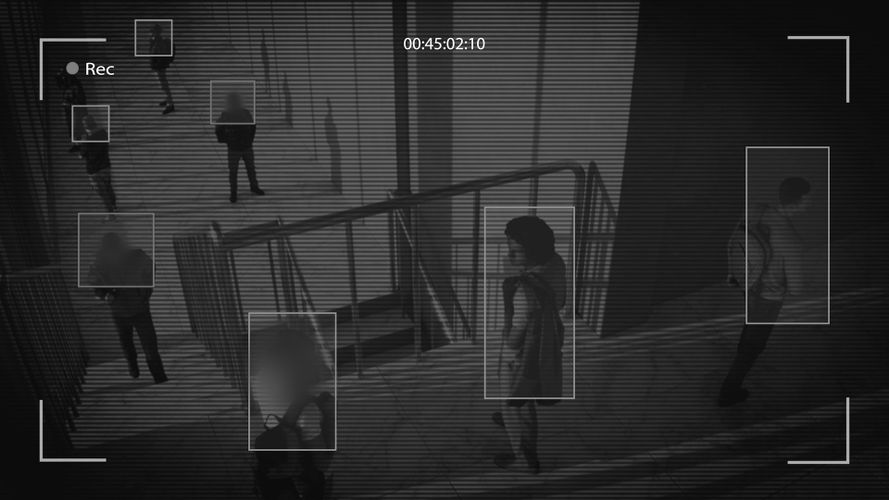
Dashboard camera video anonymization is the process of removing or modifying personal data visible in video materials, such as faces of individuals, vehicle license plates, or other identifying elements. It is a key component of GDPR compliance, especially for public services, road monitoring companies, or businesses using car cameras.
Both the Police and private companies increasingly use dashcam recordings for evidential, training, or promotional purposes. However, publishing such materials without appropriate anonymization can lead to serious privacy violations and legal consequences. In this guide, I will discuss the most important aspects of effective dashcam video anonymization, considering the latest technologies and legal requirements.
Why Is Dashcam Video Anonymization So Important?
Dashcam recordings often contain personal data - faces of pedestrians, drivers, license plate numbers, or other identifying details. According to Article 4 of GDPR, a person’s image is considered personal data because it allows identification. This means publishing or sharing such recordings without proper anonymization may violate data protection laws.
Public services, such as Police or Municipal Guard, regularly use dashcam footage as evidence or educational material. Transport companies use them for training, and materials often reach social media. Without proper anonymization, every such publication carries a risk of financial penalties from the Data Protection Authority (UODO), which can reach up to 20 million euros.
Which Elements Should Be Anonymized in Dashcam Videos?
Effective anonymization of dashcam footage should cover several key elements:
- Faces of individuals - including drivers, passengers, and pedestrians visible in the footage
- License plates of all vehicles
- Identifying features of specific persons (e.g., distinctive tattoos)
- Vehicle identification numbers (VIN) if visible
It is essential to perform comprehensive anonymization - missing even a single frame containing personal data may violate GDPR and incur serious legal consequences.
Which Dashcam Video Anonymization Methods Are Most Effective?
There are several methods to anonymize dashcam videos, varying in effectiveness and effort:
- Manual blurring - the traditional technique requiring manual marking of areas to blur in every frame. Extremely time-consuming and prone to errors, especially for longer recordings.
- Semi-automatic anonymization - uses basic object-tracking algorithms but requires operator supervision. Significantly speeds up the process compared to manual methods, yet still demands considerable work.
- Automatic anonymization with AI - the most advanced approach using sophisticated artificial intelligence algorithms to detect and track faces and license plates in real-time. This technology offers the highest effectiveness with minimal effort by automatically blurring all personal data in the video.
What GDPR Requirements Exist for Dashcam Video Anonymization?
GDPR does not specify precise technical anonymization methods but sets clear effectiveness requirements. According to the Article 29 Working Party, anonymization must be irreversible - meaning after anonymization, identification of individuals from the data should be impossible.
For dashcam footage, this requires anonymization methods ensuring blurred faces and license plates cannot be restored using any available technical means. Also, per the privacy by design principle in Article 25 of GDPR, data processing systems should be designed with privacy protection in mind.
How Does Automatic Dashcam Video Anonymization Work?
Modern automatic anonymization systems use advanced machine learning and AI algorithms to detect, track, and blur anonymization-required elements. The process involves several stages:
- Detection - the system identifies faces and license plates in each video frame
- Tracking - algorithms track identified elements across subsequent frames
- Anonymization - the system automatically blurs detected elements to ensure they are unrecognizable
- Verification - an optional stage where an operator can check anonymization accuracy
Advanced solutions like Gallio Pro employ neural networks trained on millions of images, enabling very high detection accuracy even in challenging lighting conditions or when objects are partially obscured.
Yes, the Police and other public services must anonymize dashcam footage before publishing it on social media or sharing with the media. Although these services may lawfully process personal data in fulfilling their duties, public disclosure of such materials requires special caution.
The President of UODO has repeatedly emphasized that public bodies should set an example in data protection. Publishing non-anonymized dashcam videos risks both financial penalties and loss of public trust, as well as potential civil lawsuits by individuals whose images were unlawfully disclosed.
What Are the Benefits of Implementing Automatic Dashcam Video Anonymization?
Implementing an automatic anonymization system brings many benefits:
- Time savings - a process that manually took hours is reduced to minutes
- Minimizing legal risk - comprehensive anonymization eliminates the chance of GDPR fines
- Improved data security - particularly with on-premise solutions where data does not leave the organization’s infrastructure
- Greater effectiveness - advanced AI algorithms detect anonymization-required elements far better than humans
For public institutions and companies regularly publishing dashcam footage, automation translates into tangible financial and operational savings while increasing privacy protection.
When selecting a dashcam anonymization tool, consider these key aspects:
- Detection effectiveness - the tool should accurately identify faces and license plates, even under difficult conditions (variable lighting, partial occlusion)
- Deployment model - on-premise solutions provide the highest security by keeping data within the organization, crucial for public services
- Integration capabilities - ability to embed anonymization into existing video processing workflows simplifies implementation
- User-friendliness - an intuitive interface and automation enable efficient use without extensive training
Case Study: How Police Improved Dashcam Video Anonymization
A regional police command faced challenges publishing educational materials on YouTube. Dashcam recordings required laborious manual anonymization, delaying publication and consuming staff resources.
After deploying an AI-based automatic anonymization system, processing time per video dropped from several hours to about fifteen minutes. Using an on-premise solution, the entire process occurred securely within police infrastructure, without sending sensitive materials to external servers.
The result was faster publication of educational content, elimination of GDPR violation risks, and a 300% increase in published materials using the same staffing.
Comparison of Cloud and On-Premise Dashcam Video Anonymization Solutions
Two main deployment models exist for anonymization tools:
- Cloud solutions (SaaS) - videos are uploaded to the provider’s servers where anonymization occurs
- On-premise solutions - anonymization is performed locally within the client’s infrastructure without data transfer outside
For organizations handling sensitive data, such as Police or security companies, on-premise solutions offer higher security and regulatory compliance by eliminating risks related to external data transfer and ensuring full data control.
Cloud solutions may appeal to smaller organizations due to lower entry costs and no need for hardware investment, but contracts and provider security must be carefully reviewed.
The Future of Dashcam Video Anonymization - Trends and Technologies
Video anonymization technology is evolving rapidly. Key upcoming trends include:
- Improved detection accuracy - new AI models will better identify faces and license plates in challenging conditions like low light or crowded scenes
- Selective anonymization - advanced systems will automatically recognize context, allowing selective anonymization (e.g., identifying public officials exempt from anonymization)
- Edge computing - shifting anonymization closer to data sources, enabling real-time anonymization before video is stored
- Integration with evidence management systems - automatic anonymization becoming integral to public service workflows managing evidential materials
Following these trends and deploying scalable, adaptable solutions will be essential. Check Gallio Pro to learn about the latest anonymization technologies.
FAQ - Frequently Asked Questions About Dashcam Video Anonymization
Does every dashcam recording require anonymization before publication?
Yes, if the recording contains images of people or other personal data (e.g., license plates) and is publicly shared, anonymization is required under GDPR. Exceptions may exist if explicit consent is obtained from all individuals visible or if there are legal grounds legitimizing publication without anonymization.
How long does it take to anonymize dashcam footage?
Time depends on the method. Manual anonymization of a 10-minute video can take several hours. Advanced automatic tools like Gallio Pro reduce this time to several or a dozen minutes, irrespective of video length.
Is blurring faces and license plates sufficient under GDPR?
Yes, if done correctly to prevent identification. Blurring must be irreversible-original data should not be reconstructed with available technologies. Strong blurring algorithms are recommended, avoiding simple filters that could potentially be reversed.
Are there exceptions to anonymizing dashcam recordings?
Exceptions may apply when all visible individuals consent, publication serves an important public interest (e.g., searching for a crime suspect), or data is already publicly available. Each case should be individually assessed and consulted with a data protection officer.
Do dashcam recordings used internally also require anonymization?
Internally used recordings (e.g., for training) are subject to GDPR but may not require anonymization if another lawful basis exists. Appropriate safeguards and restricted access remain essential.
Is it advisable to use free online tools for dashcam video anonymization?
Using free online tools for anonymizing videos containing personal data is not recommended. Uploading sensitive materials to external servers may breach data protection laws. Free tools often lack sufficient effectiveness and security. Professional local (on-premise) tools are a better choice.
Download the Gallio Pro demo and see how easily you can anonymize dashcam videos in compliance with GDPR. Contact us for more information on solutions tailored to your organization’s needs.